When cataloguing our collection of kitchen items, I came across an object that I had never seen before. It looked like a very strange cooking utensil, or like a massive loose-leaf tea steeper. Its tag was labeled “soap thing.” Soap thing?
See below the thing in question:
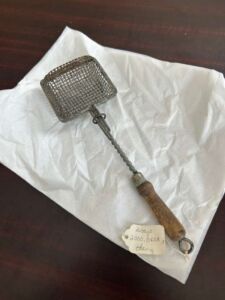
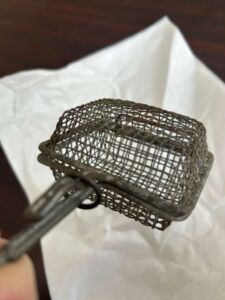
The object was mostly metal with a wooden handle. The basket-esque cage at the one end could be opened and closed with the metal ring clasp. You can’t Google “soap thing”, so I looked up “antique soap utensils” to see what I would get. I went through many photos of antique soap dishes, but it was obvious that this object was not that. The handle and closed basket wouldn’t have made sense for that purpose. I kept browsing until I found this site: https://www.lovetoknow.com/home/antiques-collectibles/antique-soap-saver-styles-values
Its cover photo featured an object that looked just like mine, but with a metal handle instead of a wooden one. “Discovering the Charm and Worth of Antique Soap Savers” by Kate Miller Wilson. It was exactly what I had needed!
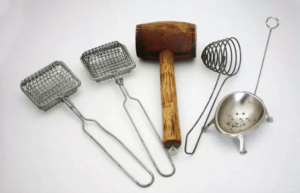
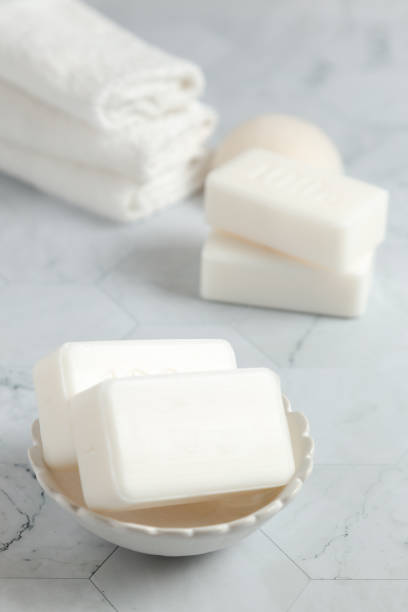
Soap savers were an important household tool when it was crucial to let nothing go to waste. We are used to liquid soaps today for our washing (hand, dish, laundry, etc.), but back in the day bars of soap were the main form for soap. When the bar would get down to just a little sliver, the slivers would be collected in the basket end of the soap saver tool. The saver could then be swirled around in laundry water to use the soap slivers until they were completely dissolved. The soap saver fell out of use after the 1920s and 30s when liquid detergents became popular.
Other styles of soap savers include ones with round baskets and squeeze-to-open baskets. Plenty of vintage soap savers can be found for purchase on sites like eBay, and likely at your local antique store, if a soap saver is desired for your own utensil collection.